
Space Therapy
How architecture shapes the way we live together.

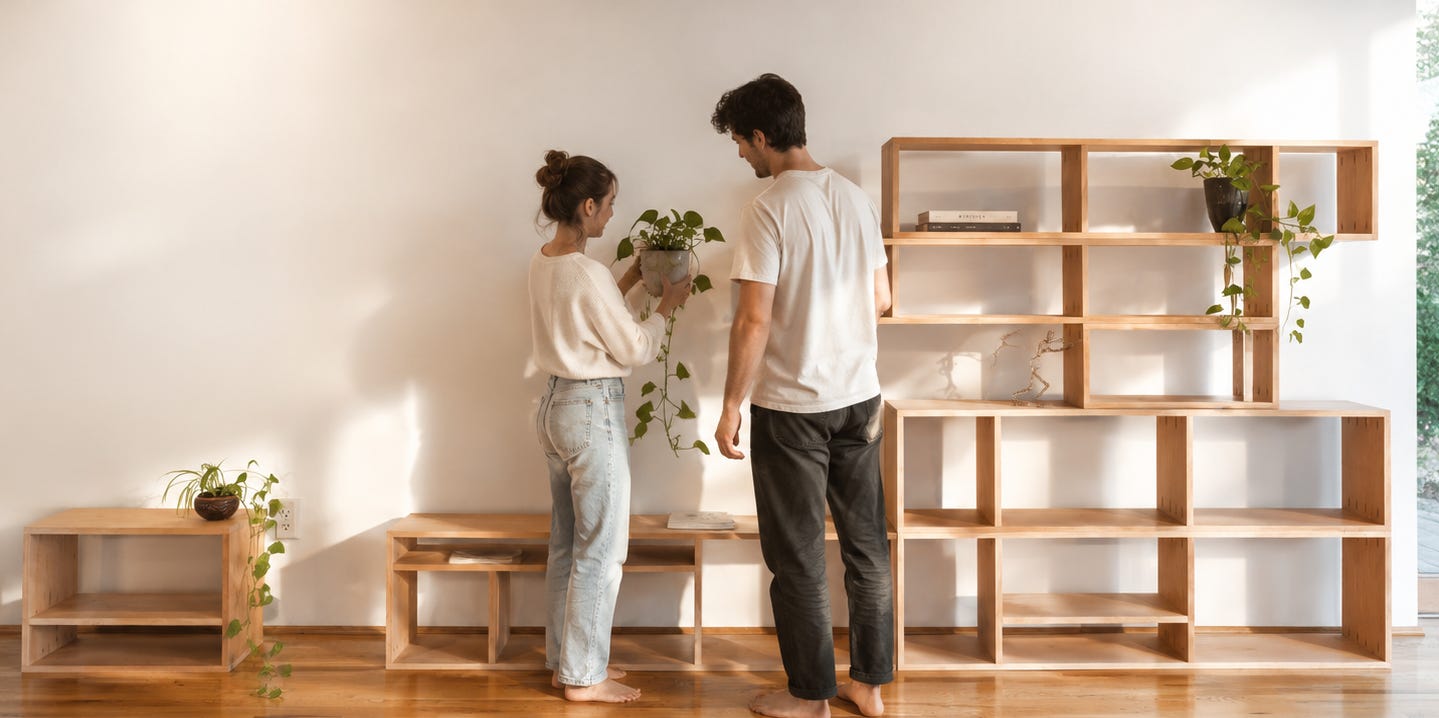
She described home as a refuge. For her, it was a place of silence, intimacy, and rest — a place where she could recover from the outside world. She imagined quiet evenings, moments of stillness, and the comfort of simply being together. Home, in her mind, was a sanctuary that protected what mattered most.
He smiled as she spoke, and when it was his turn, he described the same house in a completely different way. For him, home was a place of connection. He imagined friends gathering around the table, family dropping by without notice, conversations lasting long after dinner, and a home that welcomed the people he loved. Community, for him, was not something that happened outside the house; it belonged inside it.
As I listened, I became excited by the challenge. They simply carried two different ideas of what home should be. One longed for intimacy; the other for connection. One found peace in quietness; the other found joy in togetherness. The tension they were experiencing was between two equally beautiful visions of space trying to coexist within the same walls.
The more they spoke, the more I found myself looking beyond the conversation and toward the space itself. I began wondering whether the house was quietly reinforcing the conflict. Could architecture help reconcile these two ways of living? Could a home offer places for retreat while also inviting community? Could the space itself become part of the solution instead of remaining a silent witness to the problem?
We were talking about the invisible relationship between people and the places they inhabit.
Their story is not unusual. Every week I meet couples, new parents, empty nesters, and people living alone whose homes no longer support the life they are trying to build.
The couple were both psychologists. At one point, I smiled and said, “Today I’ll be your space therapist.”
For years, I have been fascinated by psychology and by the way the spaces we inhabit shape our lives. At the same time, I have spent more than two decades studying architecture and the profound influence our homes have on our bodies, our emotions, and our relationships. Space Therapy is where these two lifelong areas of study come together.
My work begins by listening. I listen carefully to people, to their hopes, routines, frustrations, and unspoken needs. But I also listen to the house. Every room tells a story. Every window, every circulation path, every forgotten corner quietly influences the way people live together. Only by understanding both can architecture begin to support healthier relationships.
The first change in the young couple’s home was surprisingly simple. We began by moving a large plant, almost the size of a small tree, that occupied an entire corner of the living space without receiving enough natural light. I moved it to become a garden-like divider between the living and dining areas. Together with a series of hanging plants, it became an improvised vertical garden that brought both joy and functionality to the space.
She loved her plants. Suddenly, they both did.
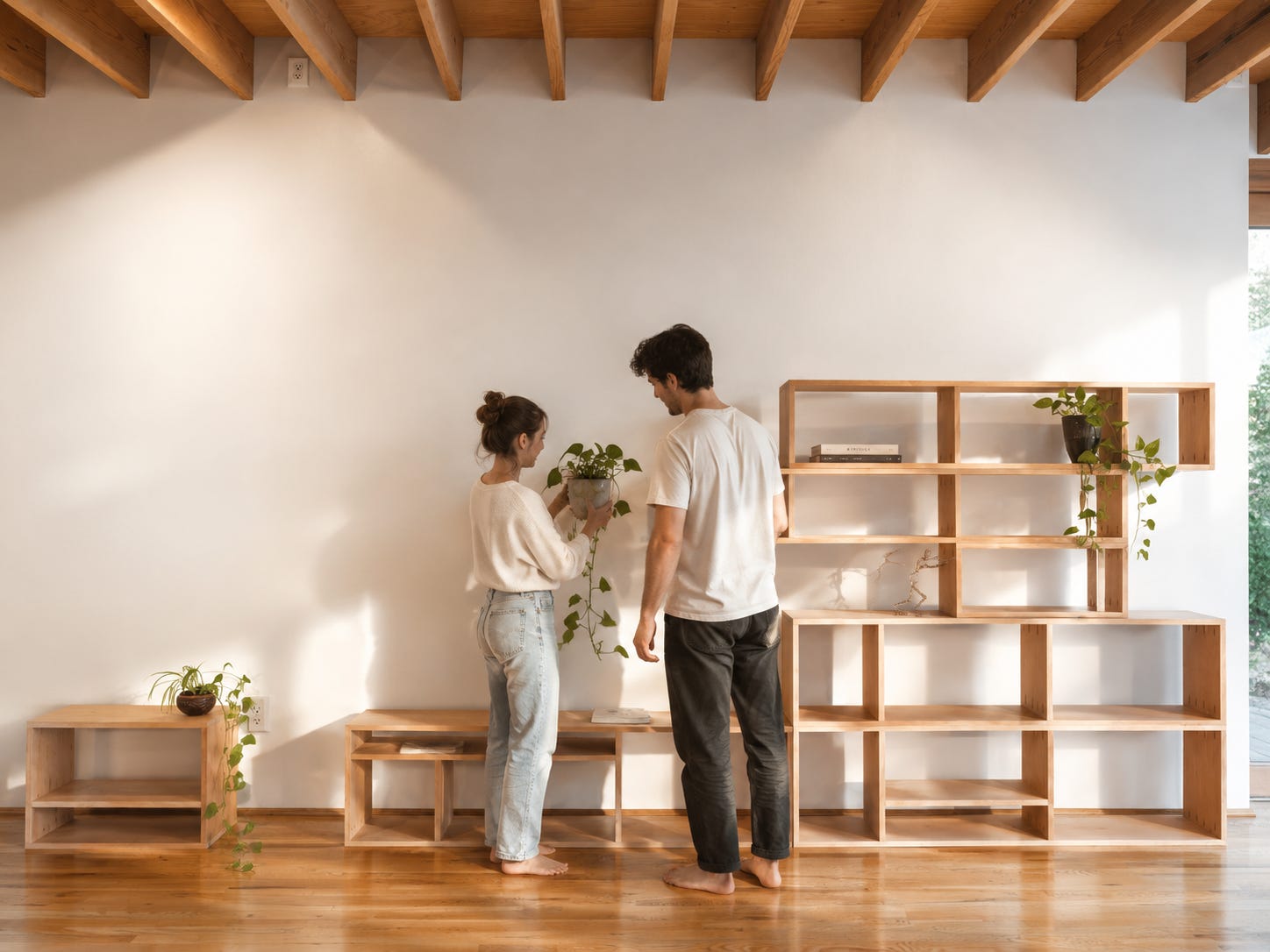
The space that the plant left behind became an open area for her yoga practice and for his informal gatherings with friends and family. As I often say, every good home should have a place for dancing. That empty space brought movement, flexibility, and silence. Like the pauses between musical notes, empty space creates harmony. Sometimes what a home needs most is not another object, but a little more room for life to unfold.
Another room was filled with underused furniture, and a large bookshelf blocked much of the natural light coming through the window. The room felt quieter the moment we moved the bookshelf. We transformed it into a place of intimacy where each of them could enjoy time alone or together. Because they both love books, the room naturally became a small library and meditation space.
There was also furniture that no longer belonged. Some pieces had quietly become environmental noise. The couple no longer noticed them, but they continued occupying space, demanding attention, and consuming energy every single day.
I asked them a simple question. “Are you ready to let it go?”
The next question came almost immediately. “But where are we going to keep all this stuff?”
Rather than buying more furniture, we worked with what they already had. By redesigning the interiors of their existing closets and introducing a few simple storage solutions, they gained far more space than they expected. Their only purchases were inexpensive organizers. The greatest transformation came from letting go.
A few weeks later, she sent me a message I will never forget.
“We are so happy. I feel that the house now belongs to both of us.”
That sentence said more than any design award ever could.
Over the years, I have realized that many of the tensions we experience at home are caused by small decisions that accumulate over time. A room without a clear purpose. A circulation path that constantly interrupts conversation. A forgotten corner that could become a place for reading, reflection, or simply being alone.
Viewed individually, these details may seem insignificant. Together, however, they shape the rhythm of everyday life.
Home design decisions are rarely about adding. More often, it is about seeing more.
Before we redesign a home, we must first learn to see it — not only as a collection of rooms, but as a living environment that quietly shapes the relationships unfolding within it every single day. In my design consultations, I also teach clients the principles behind my recommendations so they can continue nurturing their space as their lives evolve.
Beauty is not the opposite of function. It is part of our emotional well-being. Natural light, proportion, order, texture, color, plants, and carefully chosen objects quietly influence our nervous system every day. A beautiful home helps us feel more present, more peaceful, and more alive.
We often believe that relationships are shaped only by words, personalities, or emotions. Yet they are also shaped by light, movement, beauty, silence, and the everyday spaces we share.
Architecture quietly participates in every conversation, every routine, and every relationship. Most of the time, we simply don’t notice it. Perhaps that is why I do this work: to bring more joy and harmony into people’s lives through homes and schools, using beauty and the invisible ways space quietly shapes the way we live.
Sometimes the smallest change in a home opens the door to the biggest change in a relationship.
Could your home be working against you?
Every consultation begins with a conversation. I listen to the people, then I listen to the home. Together we identify small changes that can make everyday life calmer, healthier, and more joyful. If you’re curious whether Space Therapy could help, I would be happy to offer a free 20-minute conversation.